Status lifecycle
Data-related elements such as Data structuresData structureA versioned data-related element that defines the schema and organization of data. It specifies how data is structured and interpreted within the Platform., Data structureData structureA versioned data-related element that defines the schema and organization of data. It specifies how data is structured and interpreted within the Platform. Versions, Data sourcesData sourceA data-related element that represents the origin of data. It defines how data is connected, accessed, and ingested into the Platform, such as an external database or sensor network., and DatasetsDatasetA data-related element that contains processed data and makes it available for consumption. A Dataset is populated via Pipelines and carries Metadata and access permissions. follow a defined status lifecycle in CIVITAS/CORE.
The lifecycle supports iterative development, review, and release while protecting data-related elements that are already in use.
The three core statuses
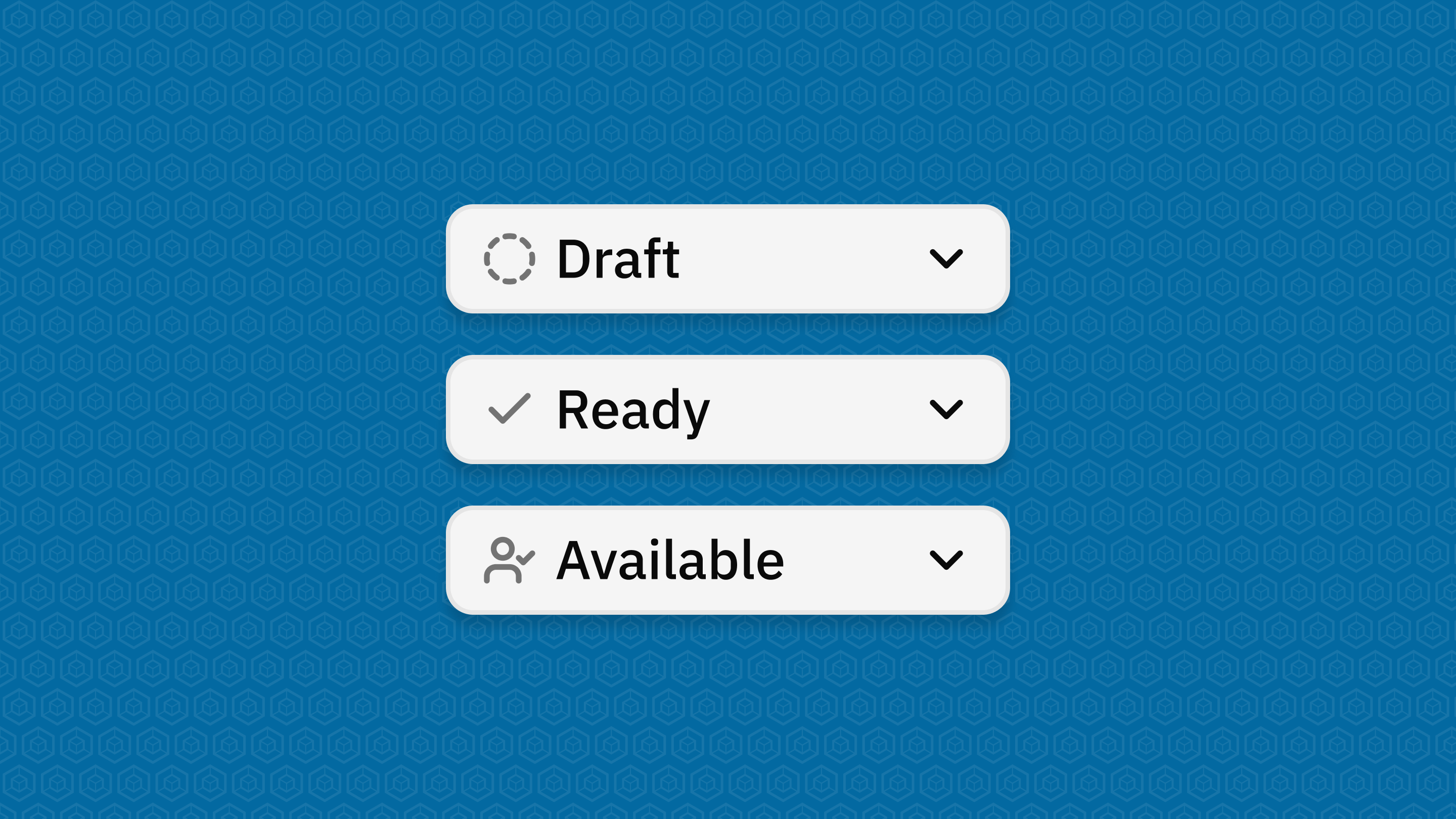
Draft
You are still working on your data-related element.
- You can create and edit content freely
- Required fields can still be incomplete
- Draft elements can already be used by other Draft elements
Use Draft to build and iteratively adjust the complete data flow.
Ready (Datasets only)
Your DatasetDatasetA data-related element that contains processed data and makes it available for consumption. A Dataset is populated via Pipelines and carries Metadata and access permissions. is complete and ready for review.
- All required fields are filled and valid
- The DatasetDatasetA data-related element that contains processed data and makes it available for consumption. A Dataset is populated via Pipelines and carries Metadata and access permissions. can be reviewed before release
- The DatasetDatasetA data-related element that contains processed data and makes it available for consumption. A Dataset is populated via Pipelines and carries Metadata and access permissions. can be returned to Draft if further changes are needed
Use Ready to hand over a DatasetDatasetA data-related element that contains processed data and makes it available for consumption. A Dataset is populated via Pipelines and carries Metadata and access permissions. for review and release.
Available
Your data-related element has been released.
- Required fields and configurations are complete and valid
- The element can be used by other Available elements
- Editing is restricted to protect existing dependencies
- For DatasetsDatasetA data-related element that contains processed data and makes it available for consumption. A Dataset is populated via Pipelines and carries Metadata and access permissions., Pipelines can start processing data and configured APIs provide access to stored data
Use this status to make your data available on the Platform.
Work iteratively in Draft
CIVITAS/CORE allows Data structuresData structureA versioned data-related element that defines the schema and organization of data. It specifies how data is structured and interpreted within the Platform., Data sourcesData sourceA data-related element that represents the origin of data. It defines how data is connected, accessed, and ingested into the Platform, such as an external database or sensor network., and DatasetsDatasetA data-related element that contains processed data and makes it available for consumption. A Dataset is populated via Pipelines and carries Metadata and access permissions. to be used together while they are still in Draft.
This supports an iterative workflow in which the complete data flow can be developed and adjusted before release.
For example:
- Create a Data structureData structureA versioned data-related element that defines the schema and organization of data. It specifies how data is structured and interpreted within the Platform. and define its Version in Draft
- Create a Data sourceData sourceA data-related element that represents the origin of data. It defines how data is connected, accessed, and ingested into the Platform, such as an external database or sensor network. in Draft that uses the Draft Data structureData structureA versioned data-related element that defines the schema and organization of data. It specifies how data is structured and interpreted within the Platform. Version
- Create a DatasetDatasetA data-related element that contains processed data and makes it available for consumption. A Dataset is populated via Pipelines and carries Metadata and access permissions. in Draft and use the Data sourceData sourceA data-related element that represents the origin of data. It defines how data is connected, accessed, and ingested into the Platform, such as an external database or sensor network. and Data structureData structureA versioned data-related element that defines the schema and organization of data. It specifies how data is structured and interpreted within the Platform. Version in its Pipelines
- Continue editing the Data structureData structureA versioned data-related element that defines the schema and organization of data. It specifies how data is structured and interpreted within the Platform., Data sourceData sourceA data-related element that represents the origin of data. It defines how data is connected, accessed, and ingested into the Platform, such as an external database or sensor network., and DatasetDatasetA data-related element that contains processed data and makes it available for consumption. A Dataset is populated via Pipelines and carries Metadata and access permissions. as needed
As long as the elements remain in Draft, their configurations can be adjusted without having to release them first.
This allows you to develop the complete data flow iteratively, including Data structuresData structureA versioned data-related element that defines the schema and organization of data. It specifies how data is structured and interpreted within the Platform., Data sourcesData sourceA data-related element that represents the origin of data. It defines how data is connected, accessed, and ingested into the Platform, such as an external database or sensor network., Mappings, and Pipelines.
Draft elements can still be modified by their owners. Changes to a referenced Data structureData structureA versioned data-related element that defines the schema and organization of data. It specifies how data is structured and interpreted within the Platform. Version or Data sourceData sourceA data-related element that represents the origin of data. It defines how data is connected, accessed, and ingested into the Platform, such as an external database or sensor network. may therefore affect your own configuration.
Only use Draft elements from others if their ongoing development is known and coordinated. Otherwise, prefer Available elements for stable dependencies.
Release data-related elements
Before a DatasetDatasetA data-related element that contains processed data and makes it available for consumption. A Dataset is populated via Pipelines and carries Metadata and access permissions. can become Available, its dependent data-related elements must also be Available.
If a DatasetDatasetA data-related element that contains processed data and makes it available for consumption. A Dataset is populated via Pipelines and carries Metadata and access permissions. still uses Draft Data structuresData structureA versioned data-related element that defines the schema and organization of data. It specifies how data is structured and interpreted within the Platform. or Data sourcesData sourceA data-related element that represents the origin of data. It defines how data is connected, accessed, and ingested into the Platform, such as an external database or sensor network., CIVITAS/CORE displays a notification when you attempt to release it.
Check Draft dependencies
- Open the DatasetDatasetA data-related element that contains processed data and makes it available for consumption. A Dataset is populated via Pipelines and carries Metadata and access permissions. and navigate to Dataflow → Pipelines
- Open the relevant Pipelines in the Pipeline Editor
- Select the Pipeline nodes and check the status of their referenced Data structuresData structureA versioned data-related element that defines the schema and organization of data. It specifies how data is structured and interpreted within the Platform. and Data sourcesData sourceA data-related element that represents the origin of data. It defines how data is connected, accessed, and ingested into the Platform, such as an external database or sensor network. in the Properties panel
- Open any referenced elements that are still in Draft
Release in the correct order
Release dependent elements in the following order:
- Data structureData structureA versioned data-related element that defines the schema and organization of data. It specifies how data is structured and interpreted within the Platform. Versions: Set the required Versions to Available
- Data sourcesData sourceA data-related element that represents the origin of data. It defines how data is connected, accessed, and ingested into the Platform, such as an external database or sensor network.: Set the Data sourcesData sourceA data-related element that represents the origin of data. It defines how data is connected, accessed, and ingested into the Platform, such as an external database or sensor network. using these Versions to Available
- DatasetDatasetA data-related element that contains processed data and makes it available for consumption. A Dataset is populated via Pipelines and carries Metadata and access permissions.: Return to the DatasetDatasetA data-related element that contains processed data and makes it available for consumption. A Dataset is populated via Pipelines and carries Metadata and access permissions. and set its status to Available
This order is important because a data-related element cannot be released while it depends on another element that is still in Draft.
Once the DatasetDatasetA data-related element that contains processed data and makes it available for consumption. A Dataset is populated via Pipelines and carries Metadata and access permissions. is Available, its Pipelines can start processing data and its configured APIs can provide access to the stored data.
For a step-by-step release workflow, see → Release data.
Understand Available and In use
The status Available and the condition In use describe different aspects of a data-related element.
- Available means the element has been released
- In use means the element is referenced by another data-related element
An Available element can be returned to Draft if it is not used by another Available element.
If an Available element is in use by another Available element, returning it to Draft is blocked. Only certain changes remain possible.
This protects existing dependencies from structural changes that could affect the data flow.
Editing restrictions by element
Data structures and Data structure Versions
| Status or condition | Allowed changes |
|---|---|
| Draft | Structure Definition, name, description, and access configuration can be edited |
| Available, not in use by an Available element | Name, description, and access can be edited. The Version can be returned to Draft for structural changes |
| Available, in use by an Available element | Only name, description, and access can be edited. Returning to Draft is blocked |
If an Available Data structureData structureA versioned data-related element that defines the schema and organization of data. It specifies how data is structured and interpreted within the Platform. Version needs substantial changes, consider creating a new Version instead of modifying the existing one. This allows existing usages to remain unchanged while the Data structureData structureA versioned data-related element that defines the schema and organization of data. It specifies how data is structured and interpreted within the Platform. is developed further.
Data sources
| Status or condition | Allowed changes |
|---|---|
| Draft | All configuration can be edited |
| Available, not in use by an Available element | Name, description, and access can be edited. The Data sourceData sourceA data-related element that represents the origin of data. It defines how data is connected, accessed, and ingested into the Platform, such as an external database or sensor network. can be returned to Draft for further changes |
| Available, in use by an Available element | Only name, description, and access can be edited. Returning to Draft is blocked |
Datasets
| Status | Allowed changes |
|---|---|
| Draft | DatasetDatasetA data-related element that contains processed data and makes it available for consumption. A Dataset is populated via Pipelines and carries Metadata and access permissions. configuration, Pipelines, APIs, name, description, access, and Datapool assignment can be edited |
| Ready | The DatasetDatasetA data-related element that contains processed data and makes it available for consumption. A Dataset is populated via Pipelines and carries Metadata and access permissions. can be reviewed or returned to Draft for further editing |
| Available | Name, description, access configuration (including Open Data), and Datapool assignment can be edited |
When a DatasetDatasetA data-related element that contains processed data and makes it available for consumption. A Dataset is populated via Pipelines and carries Metadata and access permissions. becomes Available, its Data storagesData storageA Pipeline node that persists data inside the Platform so that it can be provided through an API. The Platform offers the Sensor Data storage, which stores sensor data for the SensorThings API, and the Geospatial Data storage, which stores geospatial data in tables for WFS/WMS APIs. The Data storages used in the Pipelines of a Dataset determine which API types the Dataset can offer. are provisioned.
Returning the DatasetDatasetA data-related element that contains processed data and makes it available for consumption. A Dataset is populated via Pipelines and carries Metadata and access permissions. to Draft does not remove these Data storagesData storageA Pipeline node that persists data inside the Platform so that it can be provided through an API. The Platform offers the Sensor Data storage, which stores sensor data for the SensorThings API, and the Geospatial Data storage, which stores geospatial data in tables for WFS/WMS APIs. The Data storages used in the Pipelines of a Dataset determine which API types the Dataset can offer. or restore all editing options. Already provisioned Data storagesData storageA Pipeline node that persists data inside the Platform so that it can be provided through an API. The Platform offers the Sensor Data storage, which stores sensor data for the SensorThings API, and the Geospatial Data storage, which stores geospatial data in tables for WFS/WMS APIs. The Data storages used in the Pipelines of a Dataset determine which API types the Dataset can offer. remain restricted and cannot be freely edited or removed.
Existing API and Layer dependencies may need to be resolved before a Pipeline containing a provisioned Data storageData storageA Pipeline node that persists data inside the Platform so that it can be provided through an API. The Platform offers the Sensor Data storage, which stores sensor data for the SensorThings API, and the Geospatial Data storage, which stores geospatial data in tables for WFS/WMS APIs. The Data storages used in the Pipelines of a Dataset determine which API types the Dataset can offer. can be deleted.
Status transitions at a glance
Data structuresData structureA versioned data-related element that defines the schema and organization of data. It specifies how data is structured and interpreted within the Platform. and Data sourcesData sourceA data-related element that represents the origin of data. It defines how data is connected, accessed, and ingested into the Platform, such as an external database or sensor network.
- Draft → Available: When the element and its dependencies meet the release requirements
- Available → Draft: Only when the element is not in use by another Available element
DatasetsDatasetA data-related element that contains processed data and makes it available for consumption. A Dataset is populated via Pipelines and carries Metadata and access permissions.
- Draft → Ready: When the DatasetDatasetA data-related element that contains processed data and makes it available for consumption. A Dataset is populated via Pipelines and carries Metadata and access permissions. is prepared for review
- Ready → Available: When the DatasetDatasetA data-related element that contains processed data and makes it available for consumption. A Dataset is populated via Pipelines and carries Metadata and access permissions. and its dependencies meet the release requirements
- Ready → Draft: When further changes are needed
- Available → Draft: The DatasetDatasetA data-related element that contains processed data and makes it available for consumption. A Dataset is populated via Pipelines and carries Metadata and access permissions. can be returned to Draft, but restrictions on already provisioned Data storagesData storageA Pipeline node that persists data inside the Platform so that it can be provided through an API. The Platform offers the Sensor Data storage, which stores sensor data for the SensorThings API, and the Geospatial Data storage, which stores geospatial data in tables for WFS/WMS APIs. The Data storages used in the Pipelines of a Dataset determine which API types the Dataset can offer. remain in effect
Summary
- Draft supports iterative development across connected data-related elements
- Ready indicates that a DatasetDatasetA data-related element that contains processed data and makes it available for consumption. A Dataset is populated via Pipelines and carries Metadata and access permissions. is prepared for review
- Available releases data-related elements for use
- Dependencies must be released in the correct order
- In use by an Available element can prevent returning an element to Draft
- Returning a DatasetDatasetA data-related element that contains processed data and makes it available for consumption. A Dataset is populated via Pipelines and carries Metadata and access permissions. to Draft does not remove restrictions on already provisioned Data storagesData storageA Pipeline node that persists data inside the Platform so that it can be provided through an API. The Platform offers the Sensor Data storage, which stores sensor data for the SensorThings API, and the Geospatial Data storage, which stores geospatial data in tables for WFS/WMS APIs. The Data storages used in the Pipelines of a Dataset determine which API types the Dataset can offer.